

|

The last retail channel without a brand
The market Smoothe is stepping into
| TAM | ~$34B | U.S. unattended retail: about 2.3M machines, about 15,000 operators, no dominant brand |
| SAM | ~$2B | Roughly 75,000 qualifying high-intent venues nationally (premium boutique studios, full-service gyms, Class A office, upscale hotels, luxury multifamily) at about 1.5 machines per venue and about $19K of annual revenue per machine |
| Phase 1 metro build-out (125 machines) | ~$2.4M | Smoothe’s first-phase Boston target, not metro saturation and not the funded plan; the base plan is 85 machines by October 2027 |
Unattended retail is a roughly $34B market spread across about 2.3M machines and about 15,000 operators, with no dominant brand. Better-for-you CPG has produced roughly $5B in acquisitions across three major deals since late 2024: Poppi to PepsiCo at $1.95B, Alani Nu to Celsius at $1.8B, and Siete to PepsiCo at $1.2B. Olipop is separately valued at $1.85B on its most recent funding round. The category itself is investable.
The shelf space is scaling alongside the brands. Target announced a 30% expansion of its wellness assortment for 2026, the third consecutive year it has added to the category after roughly 2,000 new products in 2025, and says about 70% of its guests are already shopping wellness. Ulta, Walmart and Costco have made similar moves. The products and the shelf space are both growing. What is missing is a channel that reaches people at the moment of intent.
TAM reflects U.S. convenience services and combined vending plus micro-market sales per industry sources; machine and operator counts are third-party industry estimates. The SAM build and the Phase 1 figure are Smoothe’s own estimates. Deal values are as announced by the acquirers.
Nobody else does all three
How Smoothe sits next to the alternatives
| Curated | In the venue | Brand + data | |
| Traditional vending | – | ✓ | – |
| Farmer’s Fridge | ✓ | ✓ | – |
| Erewhon & grocery | ✓ | – | – |
| Smoothe | ✓ | ✓ | ✓ |
A rough read on positioning, not a feature audit.
The founders
|
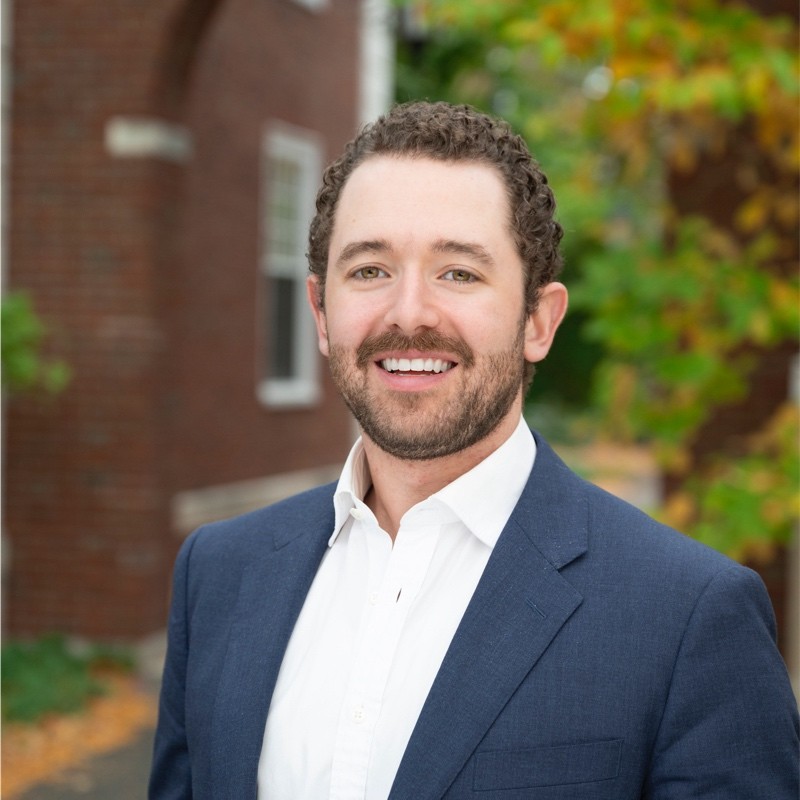
Aaron Finder Co-Founder & CEO · Williams ’17 · HBS ’26 Built distribution and ran national marketing programs in CPG at Vita Coco and AB InBev, and ran straight into this exact gap trying to launch into gyms at Vita Coco. Hands-on with food and logistics, and an ex-collegiate rower who still races the Head of the Charles and HYROX. |

|
|
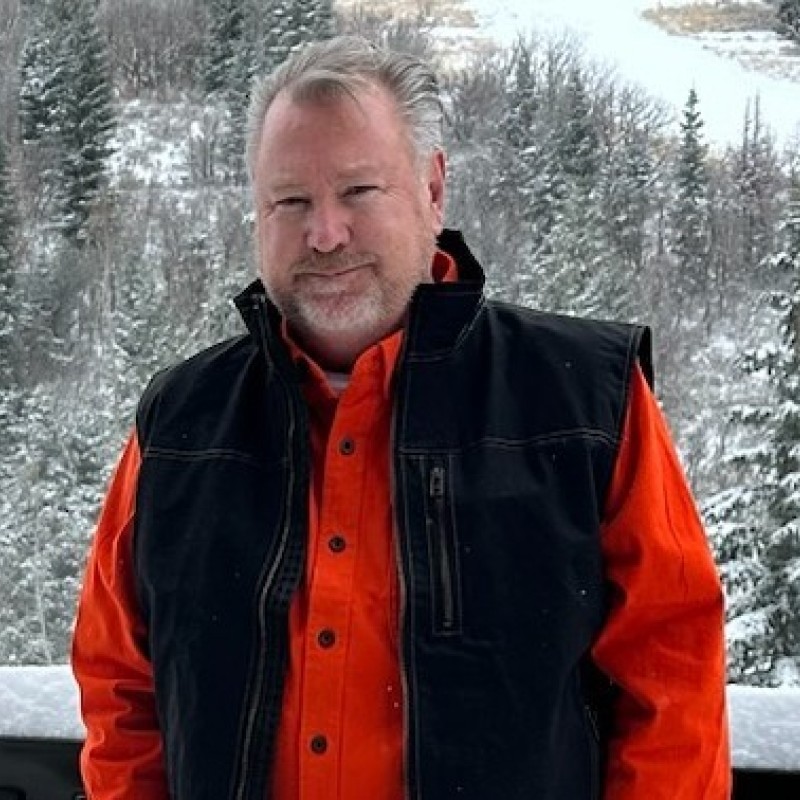
Stephen Bullard Co-Founder & COO · 35+ years in supply chain Built Pilot Logistics Services up to ~$80M in revenue across 25 fulfillment centers in seven countries, added $10M+ in EBITDA at Silver King Beverage, ran robotics-enabled fulfillment at Tompkins, and before that led logistics at PepsiCo Food Systems. |
Our take
What we like
| • | Retail media (ads and shopper data layered onto thin-margin retail) runs at 50 to 90% margins against the 2 to 5% a grocer earns on product, and it’s now big enough that ads and membership make up roughly a third of Walmart’s operating profit. Smoothe’s fridges are a small retail media network wearing a vending machine. |
| • | $8,000 across 1,400 purchases is a $5.70 average ticket, against $1.50–$2.50 for a conventional vending machine, and July at Harvard Square ran ahead of that at $6.03. People will pay two to three times vending prices for something they actually want, where they already are. |
| • | Aaron built the CPG distribution and hit this exact wall at Vita Coco; Stephen scaled Pilot Logistics to ~$80M across 25 fulfillment centers. Between them, the two failure modes that usually kill vending companies, no venue relationships and no route density, are covered. |
What we’re watching
| • | This is capital- and operations-heavy. That 34% contribution has to hold once servicing, spoilage, and route costs scale past one hub. |
| • | The higher-margin ad and data business is still LOIs, not booked revenue. |
| • | Smoothe revised its per-machine assumption down from $2,175 to about $1,620 a month on the basis of actual transaction data, which is the right direction and puts the number just above the top of the $300–$1,500 range a conventional US vending machine does. July at Harvard Square was $1,211, roughly three-quarters of that model and trending toward it rather than sitting at it. The next phase is the test: placing high-quality locations, holding mature unit economics, and making Boston repeatable across 85 machines rather than one hub. |
Onward,
The Trivium Team
Shared for informational purposes only. Nothing here is investment, legal, or tax advice, or an offer to buy or sell any security. Traction and financial figures are company-reported and reflect an early-stage pilot; market figures are third-party estimates and have not been independently verified.